
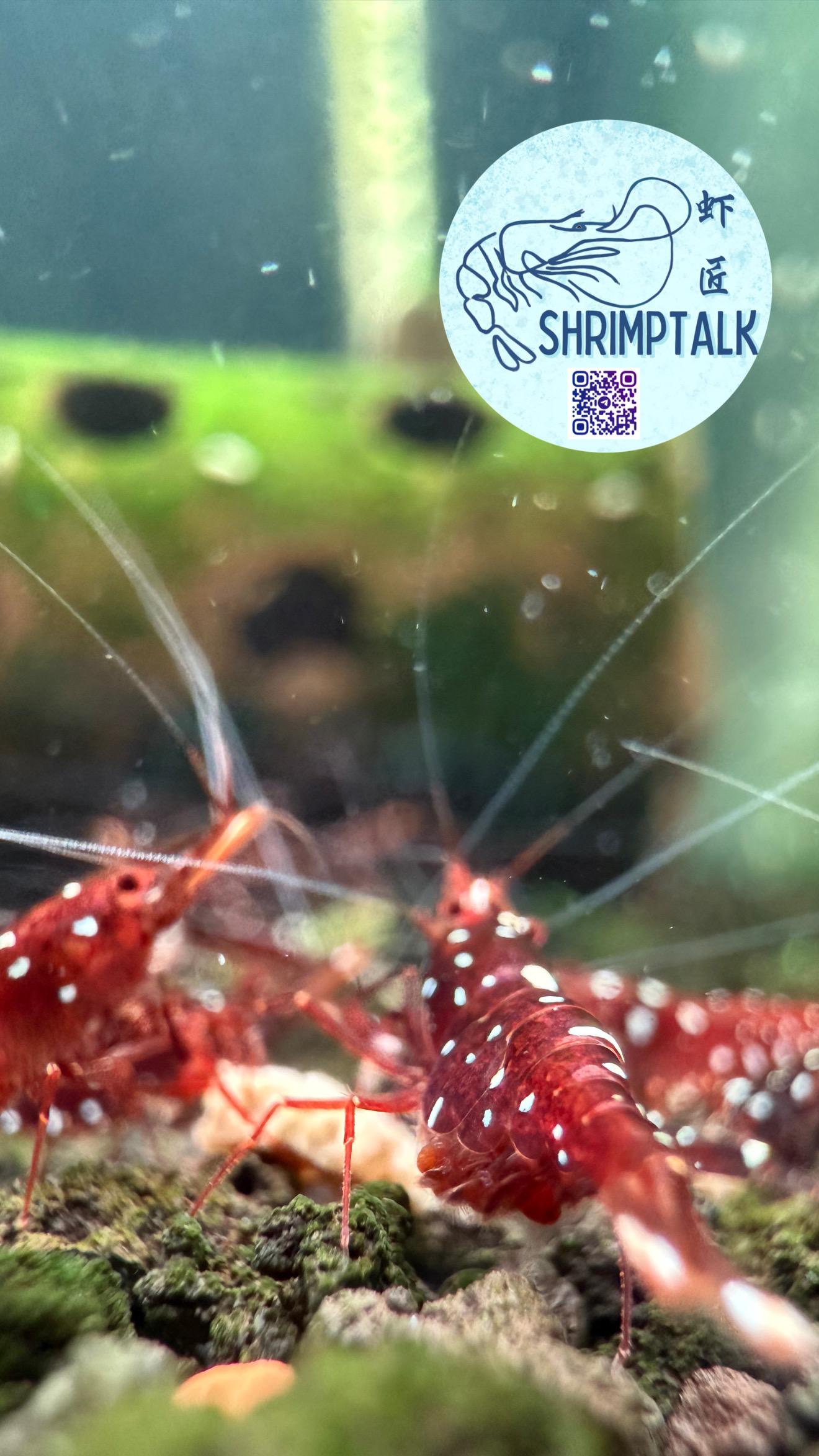
10 common sulawesi shrimp mistakes and fixes
Sulawesi shrimp are not impossible, but they are much less forgiving than beginner shrimp. Most failures come from a small set of repeat mistakes: unstable setup, rushed acclimation, overcorrection, and treating them like standard Neocaridina. If you avoid the common traps early, your odds improve a lot.
The most common Sulawesi shrimp mistakes are unstable temperature, incorrect mineral balance, immature tanks, rushed acclimation, overfeeding, and constant parameter chasing. The fix is usually not a dramatic intervention.
It is building a mature specialist setup, keeping water consistent, and resisting the urge to make sudden corrections.
1. Starting with an immature tank
This is one of the biggest failure points.
A clean-looking tank is not the same as a mature tank. Sulawesi shrimp do better when the aquarium already has stable biology, established filtration, and a calm maintenance rhythm.
Fix:
– cycle the tank properly first
– let biological stability build up
– avoid adding premium shrimp into a fresh setup just because the water tests looked acceptable once
2. Treating Sulawesi like Neocaridina
Sulawesi shrimp are specialist shrimp, not just warmer-water shrimp.
They usually need more stable alkaline conditions and less fluctuation tolerance than beginner Neocaridina.
Fix:
– build the tank around Sulawesi needs, not generic shrimp assumptions
– use target conditions suitable for Sulawesi species
– stop copying beginner shrimp habits blindly
3. Letting temperature swing too much
Temperature instability is a quiet killer.
Many keepers focus only on pH or TDS and ignore daily temperature drift. In Singapore, room heat, sunlight, and inconsistent cooling can create stress even when the tank seems fine at a glance.
Practical baseline:
– temperature: 27 to 30 C
Fix:
– monitor day and night temperature pattern
– avoid tanks exposed to direct heat spikes
– keep the environment stable rather than reacting late after swings happen
4. Using the wrong water balance
Sulawesi shrimp generally do not do well in random mixed conditions.
Practical baseline:
– pH: 7.8 to 8.4
– GH: 6 to 8
– KH: 3 to 5
– TDS: about 150 to 220 ppm
Fix:
– aim for consistent mineral balance, not guesswork
– do not mix products casually without understanding the result
– track trends instead of reacting to one reading in isolation
5. Rushing acclimation
Shipping stress plus sudden environmental change is a bad combination.
Sulawesi shrimp usually need a calmer, more careful introduction than hardy beginner shrimp.
Fix:
– reduce sudden temperature and parameter change
– move slowly and gently
– avoid rough transfer and unnecessary disturbance
– do not introduce them into an unstable tank and hope acclimation will solve it
6. Overfeeding in week 1
Overfeeding is one of the fastest ways to damage water quality in a sensitive setup.
New shrimp do not need panic feeding just because they look expensive or fragile.
Fix:
– feed conservatively at the start
– let natural grazing and biofilm do part of the work
– remove excess food logic from your routine before it becomes a water problem
7. Making constant corrective changes
Some keepers test, worry, adjust, retest, then adjust again.
That usually creates more instability, not less.
Fix:
– stop chasing perfect numbers hour by hour
– make smaller changes only when there is a real reason
– prioritise stable trends over emotional corrections
8. Keeping them in a poorly planned community tank
A random mixed aquarium is often a bad fit for Sulawesi shrimp.
Problems include:
– stress from active tankmates
– feeding competition
– difficulty maintaining specialist conditions
– less control over observation and colony stability
Fix:
– use a species-focused setup when possible
– choose tankmates very carefully if any are included
– favour control and consistency over visual variety
9. Ignoring grazing surfaces and tank maturity
Sulawesi shrimp benefit from stable surfaces, established biofilm, and a calm environment. A sterile-looking display tank may look tidy but still be a poor shrimp habitat.
Fix:
– provide mature surfaces for grazing
– support biological stability before adding shrimp
– avoid over-cleaning the tank into a lifeless system
10. Buying Sulawesi shrimp before your routine is ready
Sometimes the real mistake is timing.
If your maintenance routine is inconsistent, your parameter control is still shaky, or your tank is newly set up, the best decision may be to wait.
Fix:
– delay purchase until the system is truly stable
– practise stable care with easier shrimp first if needed
– treat patience as part of the setup, not a delay to the hobby
What success usually looks like
Successful Sulawesi keeping usually looks boring in the best way.
It means:
– stable water
– stable temperature
– careful feeding
– mature filtration
– slow deliberate adjustments
– less panic, more consistency
That is usually more important than owning fancy gear.
Singapore-specific notes
In Singapore, practical stability matters a lot.
Useful reminders:
– watch for room heat and day-night variation
– avoid rushed post-delivery handling
– do not do aggressive maintenance in specialist shrimp tanks
– build a system you can maintain consistently, not one that only looks impressive on day one